Building practical AI
Deepak Kumar Tiwari

Deepak Kumar Tiwari

Technology & AI Leader · Building practical systems

Product engineering · India and global delivery

Desktop Application Development

Secure Windows, macOS, and Linux applications for offline work, device integration, internal operations, and cross-platform product delivery.

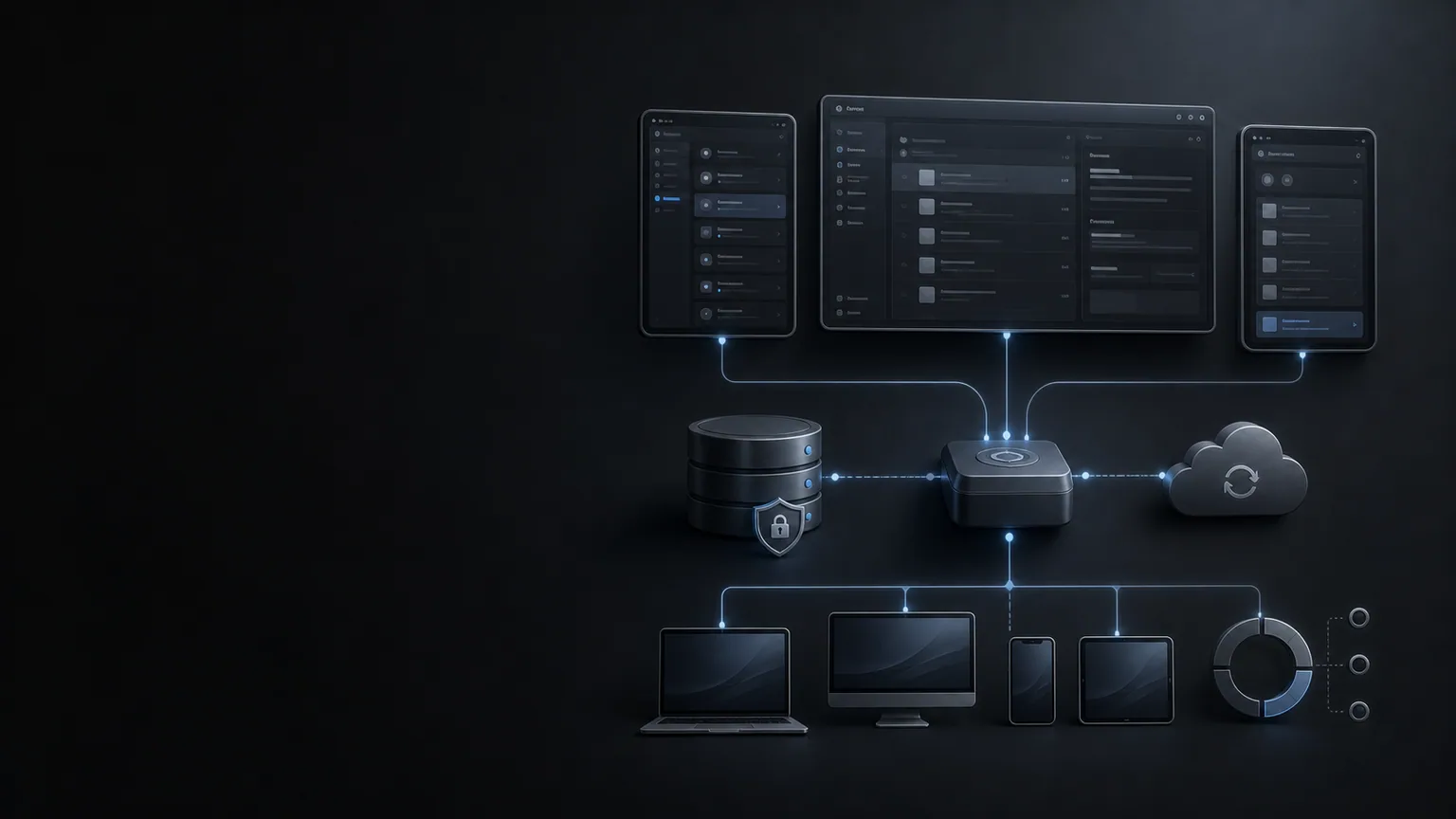
Concept illustration: Cross-platform desktop application architecture with local storage, secure updates, cloud sync, and connected devices

Service overview

A foundation designed around the operating reality

Desktop software should earn its installation. We validate the need for local capabilities, then design the application shell, data lifecycle, OS integration, security, updates, diagnostics, and backend synchronization around the actual operating environment.


What we build

Capability with an operating model

The deliverable includes decisions, system boundaries, quality controls, documentation, and ownership—not only implementation.

  • 01

    Platform and shell architecture

    Choose web-based, Rust-backed, or native foundations based on footprint, security, integration, and team constraints.

  • 02

    Offline and local data

    Design local persistence, synchronization, conflict behavior, encryption, import/export, and recovery paths.

  • 03

    Device and OS integration

    Connect files, notifications, background work, peripherals, secure storage, and approved native capabilities.

  • 04

    Packaging and updates

    Create signed builds, update channels, release automation, diagnostics, crash visibility, and rollback plans.


End-to-end engagement

From discovery through improvement

Deepak remains connected to business direction, architecture, implementation quality, and stakeholder decisions through the engagement.

  1. 01

    Discover

    Align buyers, users, business outcomes, constraints, current systems, evidence, risks, and the smallest useful scope.

  2. 02

    Architect

    Make boundaries, data, integrations, security, quality attributes, operating ownership, and trade-offs explicit.

  3. 03

    Deliver

    Build in reviewable increments with tests, demonstrations, documentation, acceptance criteria, and stakeholder visibility.

  4. 04

    Operate and improve

    Deploy, observe, support, learn from real use, and prioritize the next improvement using evidence.


Buyer paths

Different constraints. One accountable foundation.

The scope changes by maturity and risk while the engineering standard remains explicit.

  • Funded product teams

    Extend a product to desktop when local capability creates meaningful user value.

  • Growing businesses

    Replace fragile local tools with a supportable application for operations, media, or device workflows.

  • Enterprise teams

    Deliver controlled desktop software with identity, policy, update, audit, and integration requirements.


Relevant experience

Anonymized delivery context

Desktop engagements are positioned around product and engineering capability. Public claims avoid naming confidential clients or implying unsupported native-platform scale.

Typical engagement targets

Measures agreed before claims

These are planning targets, not guaranteed or fabricated client results. Baselines and acceptance criteria are confirmed during discovery.

  • Keep installer size and runtime footprint within agreed constraints
  • Provide reliable offline, update, and recovery behavior
  • Create repeatable signed releases for supported operating systems

Technology foundation

Tools selected after the constraints

  • Tauri
  • Rust
  • Electron
  • TypeScript
  • SQLite
  • Secure storage
  • Auto-update
  • Windows
  • macOS
  • Linux

Questions

Before an engagement starts

Clear constraints produce a better technical decision and a more useful first scope.

Should this be a desktop app or a web app?

A web app is usually simpler. Desktop is justified when offline use, local files, devices, background processes, security boundaries, or OS integration materially improve the workflow.

Can the app share code with an existing web product?

Often yes, but shared code is not the only goal. We separate reusable product logic from platform-specific behavior so each experience remains dependable.


Connected capabilities

Most production outcomes cross product, backend, cloud, data, and operational boundaries.

  • Product engineering

    Web Application Development

    Accessible, fast web products, operational portals, dashboards, and SaaS applications built around maintainable frontend and backend foundations.

    Explore service
  • Foundation technology

    Golang Backend & API Engineering

    Focused Golang APIs, microservices, event-driven backends, and data boundaries designed for reliability, clarity, and operability.

    Explore service
  • Technology leadership

    Product Modernization & Technology Consulting

    CEO-level technology direction connected to architecture and delivery for products that need a credible next foundation.

    Explore service